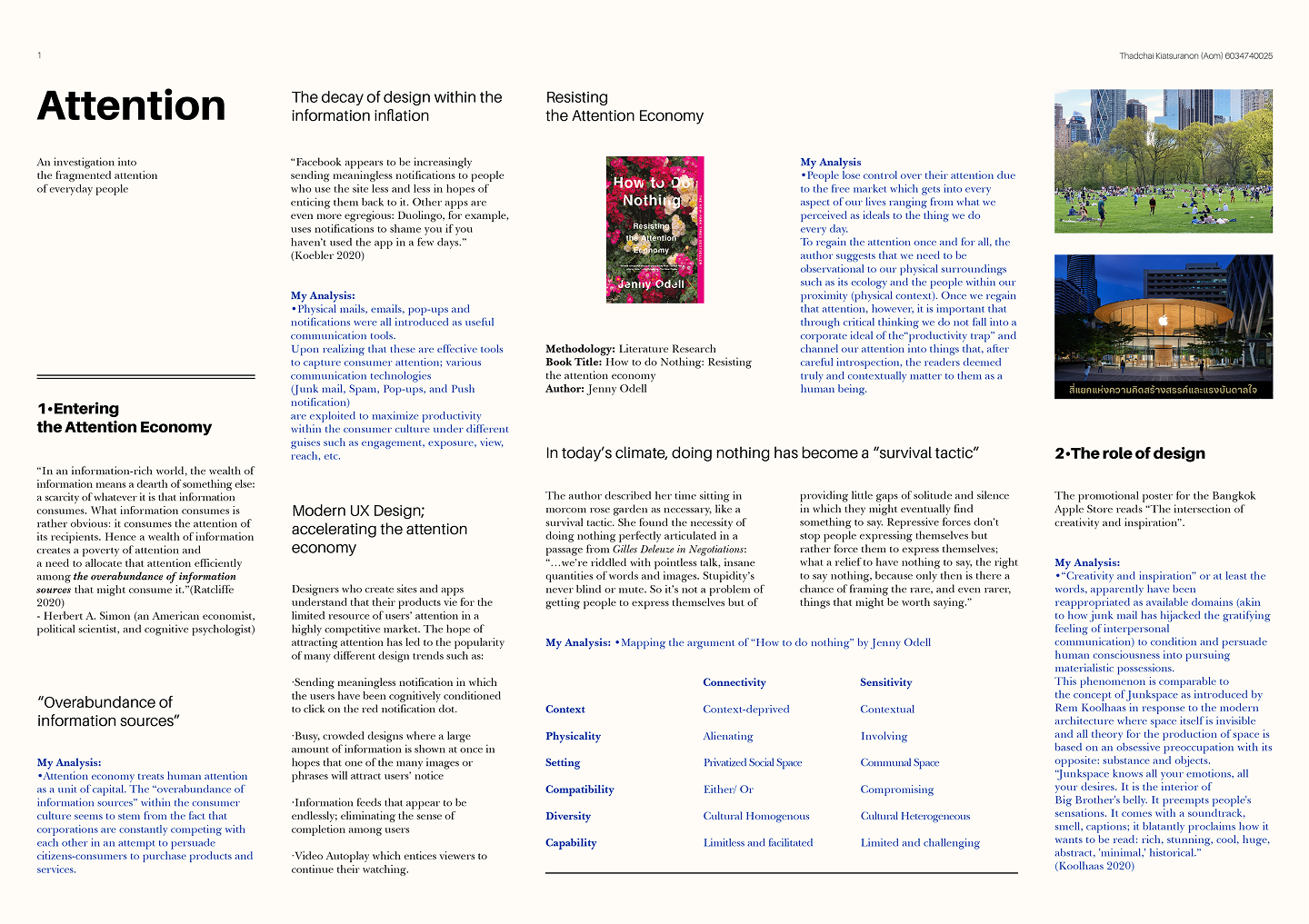
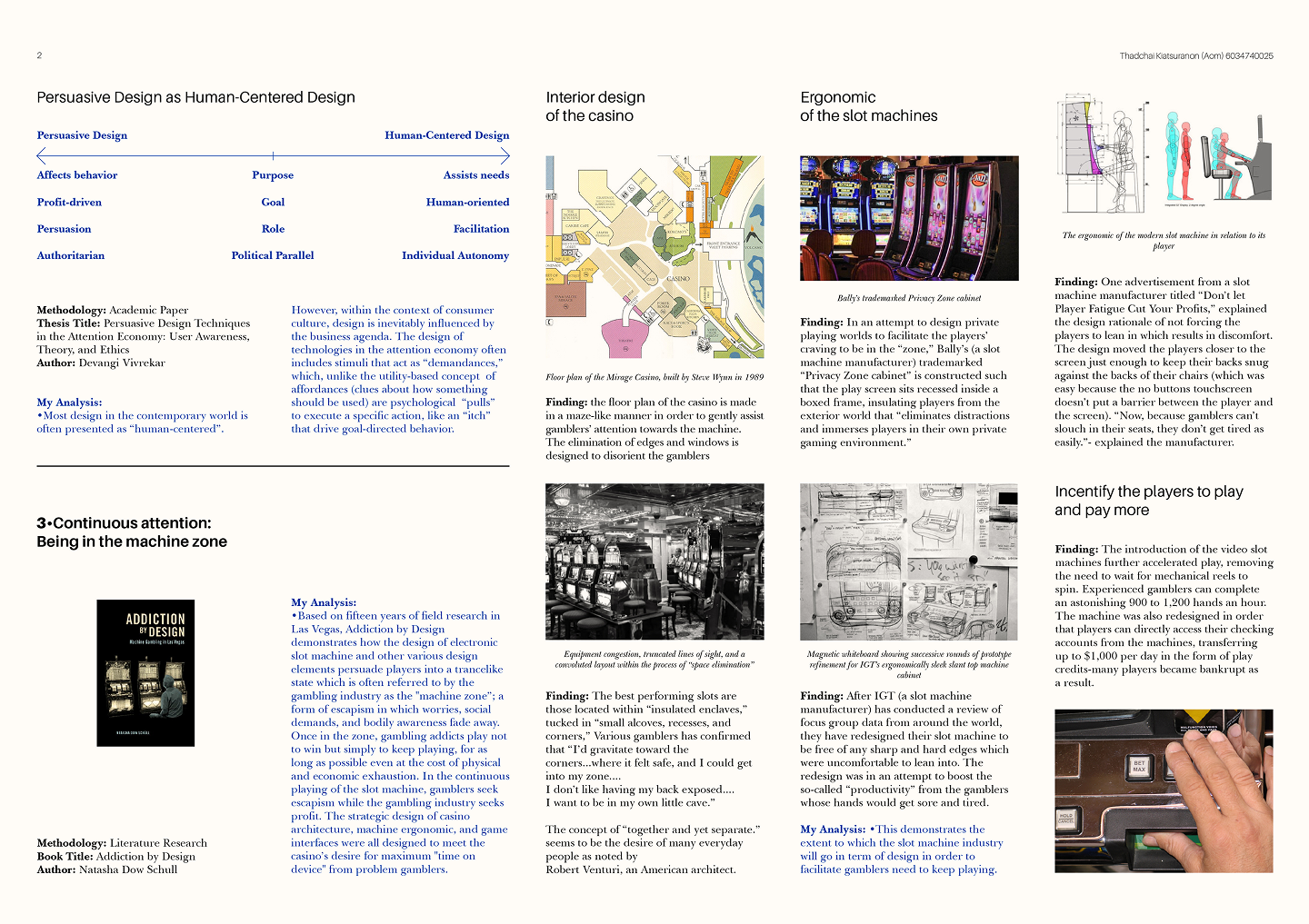
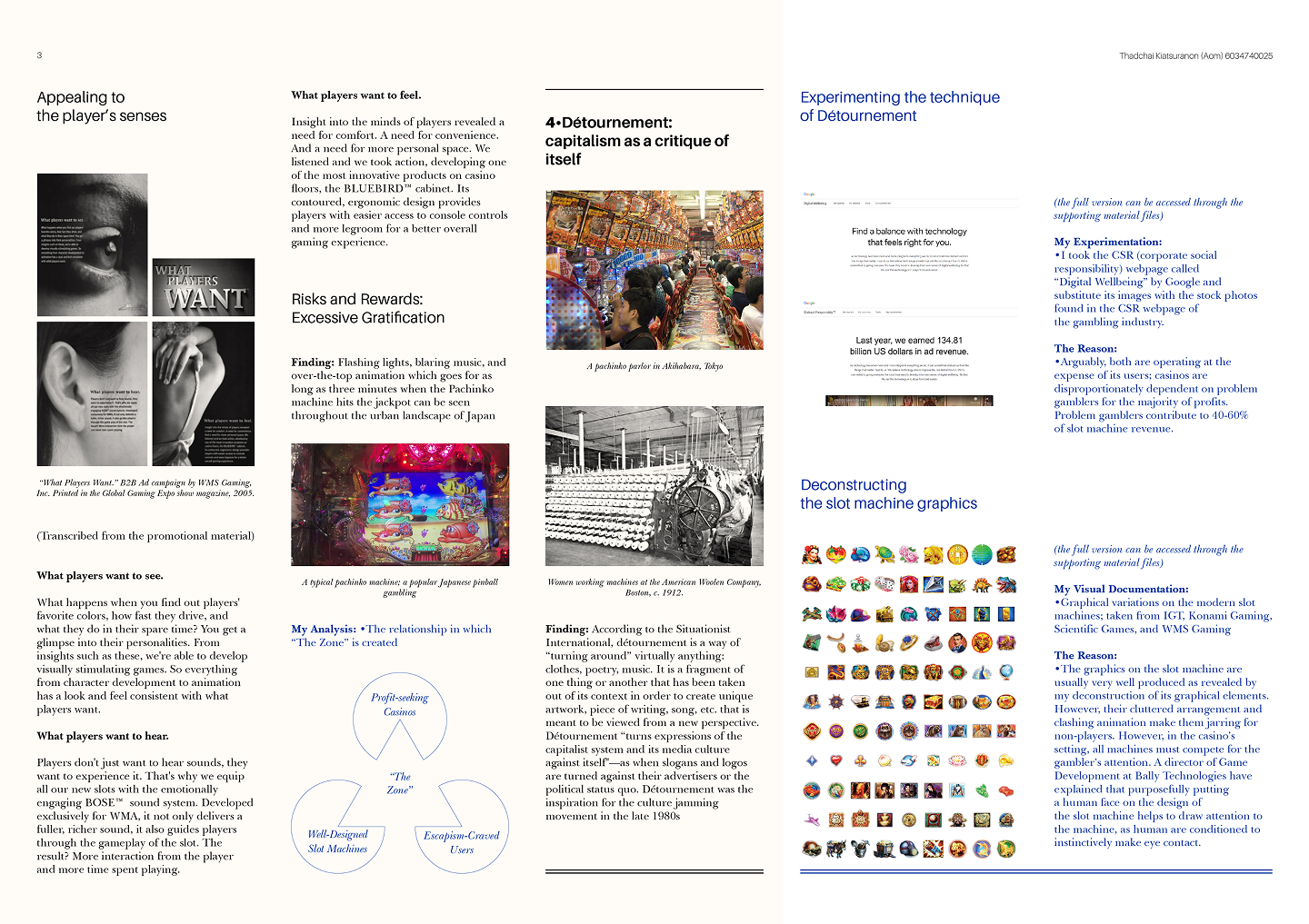
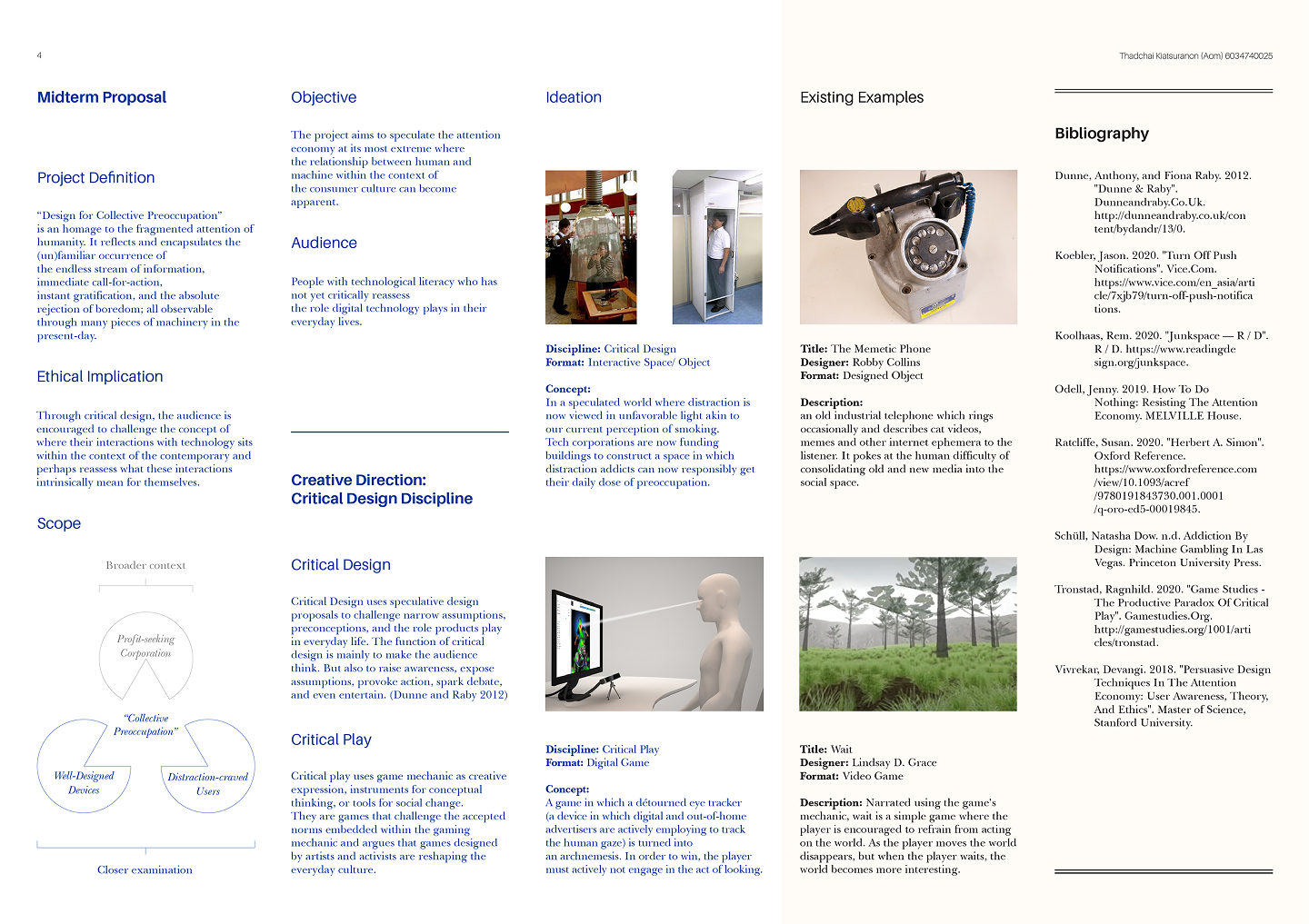
Printed artifacts

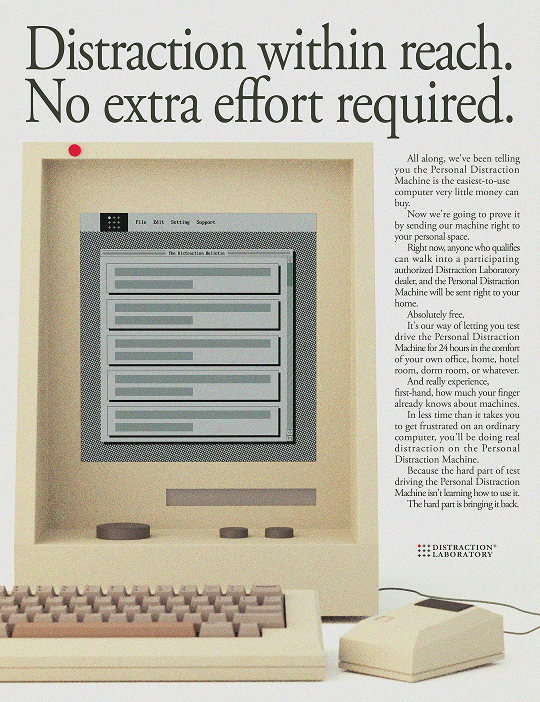
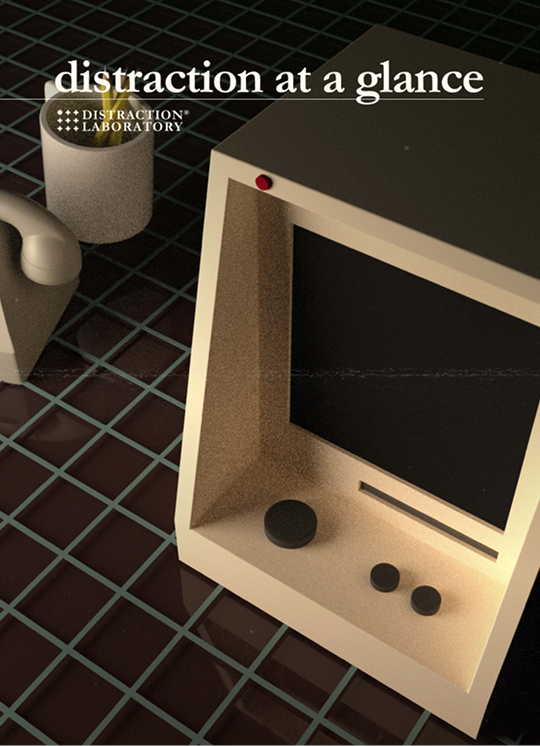

Documentary
“How can the design within the attention economy be rerouted into expressing criticism against itself?”
Context
The attention economy is an approach to the management of information that treats human attention as a unit of capital. The “need to allocate that attention efficiently among the overabundance of information sources”(1) within the consumer culture is rooted in the fact that corporations are constantly competing with each other in an attempt to persuade citizens-consumers to purchase products and services as stated by Herbert A. Simon, an American economist, and cognitive psychologist. The emergence of digital technology within the last two decades has accelerated the attention economy. It is now reported that an average adult spends nearly 8 hours each day in front of screens solely for non-work related purposes. (2)
(1)https://www.oxfordreference.com/view/10.1093/
acref/ 9780191843730.001.0001/q-oro-ed5-00019845 (2)https://www.scientificamerican.com/article/most-adults-spend-more-time-on-their-digital-devices-than-they-think/
acref/ 9780191843730.001.0001/q-oro-ed5-00019845 (2)https://www.scientificamerican.com/article/most-adults-spend-more-time-on-their-digital-devices-than-they-think/
Analysis
The reason behind the growth of the attention economy has to do with the evolution of human cognition over the years. As proposed in “The Distracted Mind: Ancient Brains in a High-Tech World” by Adam Gazzaley that human tendency to simultaneously consume media from various domains stems from the way that the human brain has been optimized for foraging; meaning that humans are prone to distraction due to the fact that the cognition is attempting to find something meaningful and interesting in an endless patch of irrelevant information. (3)
There is growing concern regarding how society should take preventative measures against such a phenomenon, and an increasing number of initiatives is being created as a result. The “Time Well Spent” initiative by a former Google advertising strategist, James Williams is one of the most prominent advocacy groups within this emerging field of “digital mindfulness”. It aims to curb the design of addictive technology; however the Time Well Spent initiative and many similar advocate groups often over-emphasize the responsibility of the individual to disconnect while failing to challenge the attention economy at its foundation; where design often acts as a catalyst for tech corporations to exploit the human cognitive vulnerability.
The contribution of design within the process of maximized time-on-device has been well studied before, albeit in a different but comparable context. The design of the digital slot machine and its environment play a huge role in gambling addiction compared to traditional games such as blackjack and poker. The publication “Addiction by Design: Machine Gambling in Las Vegas” by Natasha Dow Schüll suggests that the design and the mechanical rhythm of electronic gambling can effectively pull players into a trancelike state called the "machine zone," in which daily worries, social demands, and even bodily awareness fade away. The effectiveness of the design of the digital slot machine results in it taking as much as 70% of all casino floor space (4) and contributes to 80 percent of the casino income. (5)
(3) The Distracted Mind by Adam Gazzaley and Larry D. Rosen
(4) Addiction by Design: Machine Gambling in Las Vegas
(5)https://www.forbes.com/sites/davidschwartz/2018/ 06/04/how-casinos-use-math-to-make-money-when-you-play-the-slots/?sh=789deae094d0
(4) Addiction by Design: Machine Gambling in Las Vegas
(5)https://www.forbes.com/sites/davidschwartz/2018/ 06/04/how-casinos-use-math-to-make-money-when-you-play-the-slots/?sh=789deae094d0
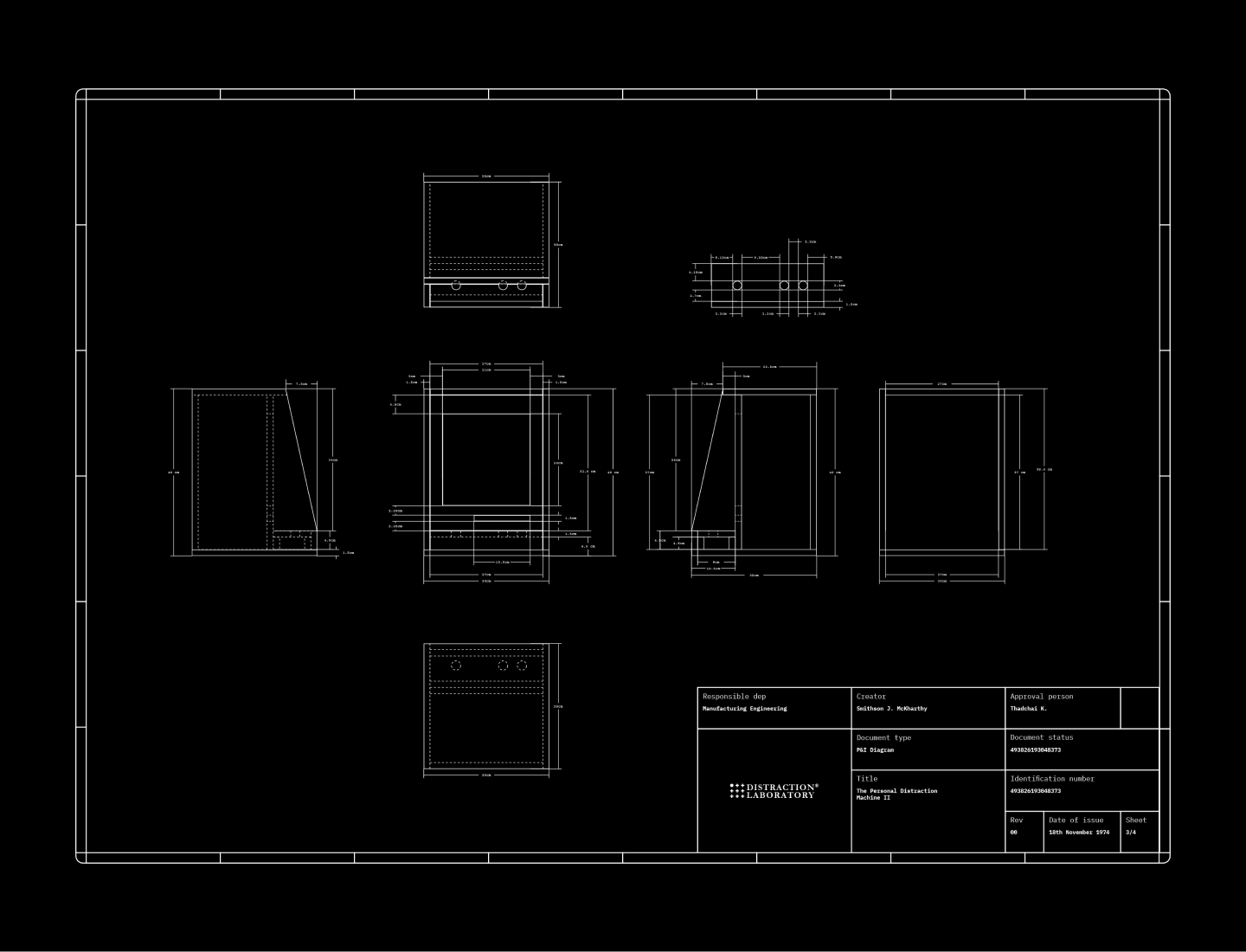
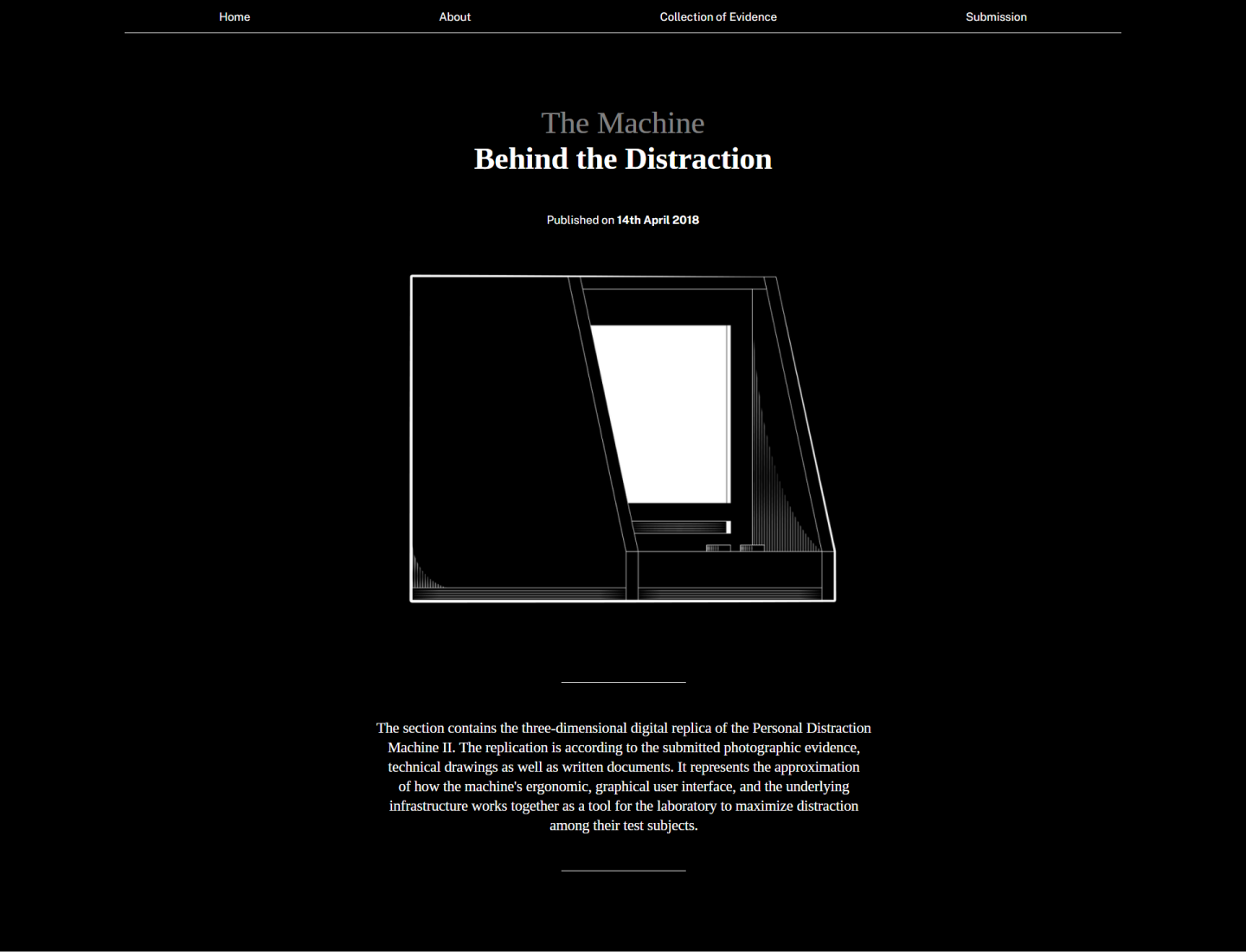
Machine Demonstration
Design Research
An Investigation into the Fragmented Attention of Everyday People